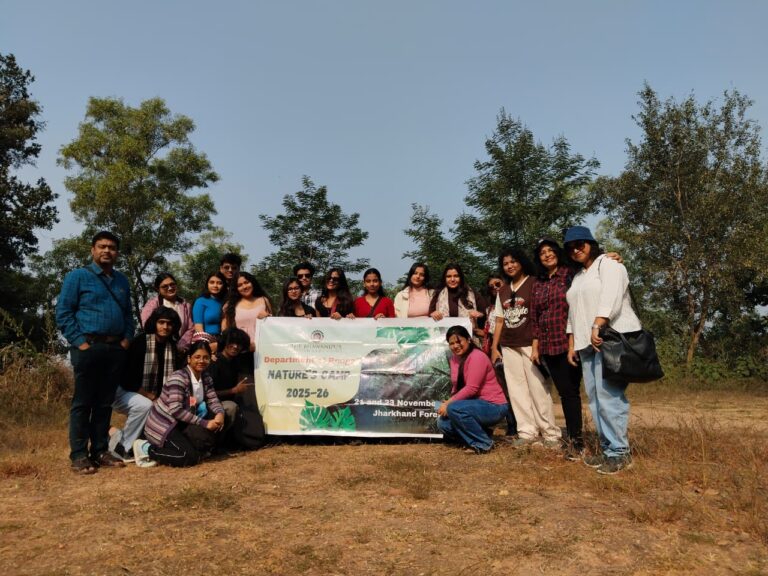
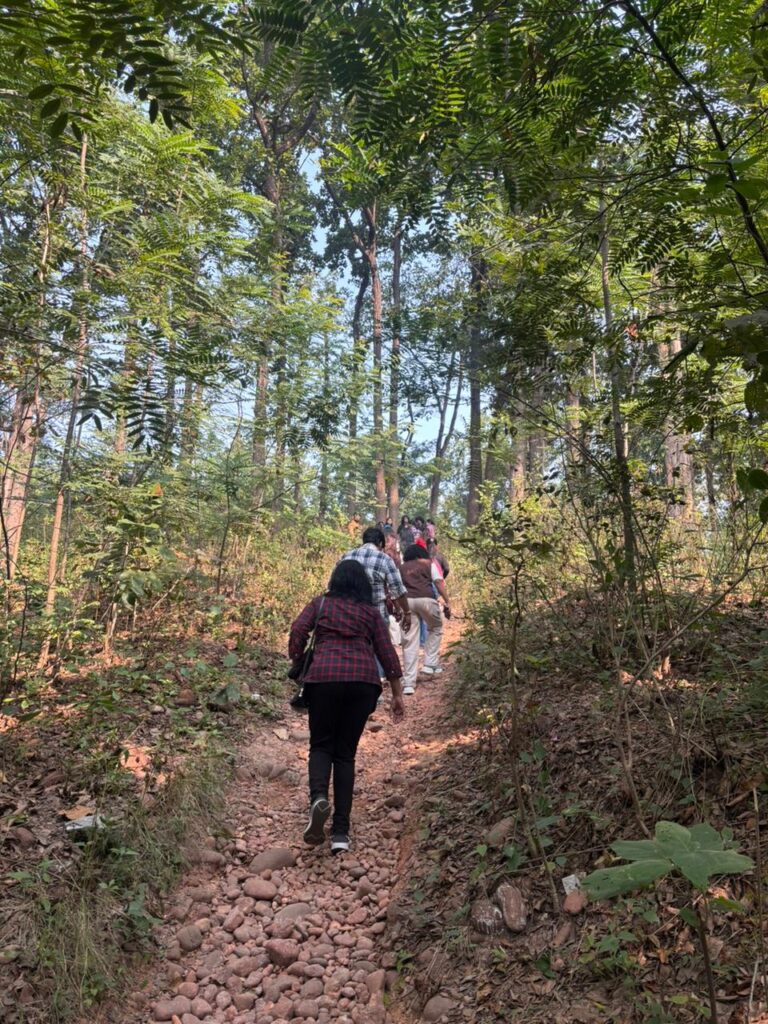
Name of the Activity: Nature’s Camp at Ghatshila Type of Activity: Field-based Environmental Learning Date/Duration of Activity (from–to): 20–23 November 2025 Time: Four-day residential camp Details of Resource Person: Guided by four faculty members — Dr. Mili Samaddar, Dr. Kasturi Mukherjee, Dr. Uttiya Chattapadhyay, Ms. Atreyee Biswas No. of Participants: 17 students and 4 teachers
Objective of the Event: To expose students to natural ecosystems and geological formations while helping them understand how landscapes inspire and shape Bengali literary imagination.
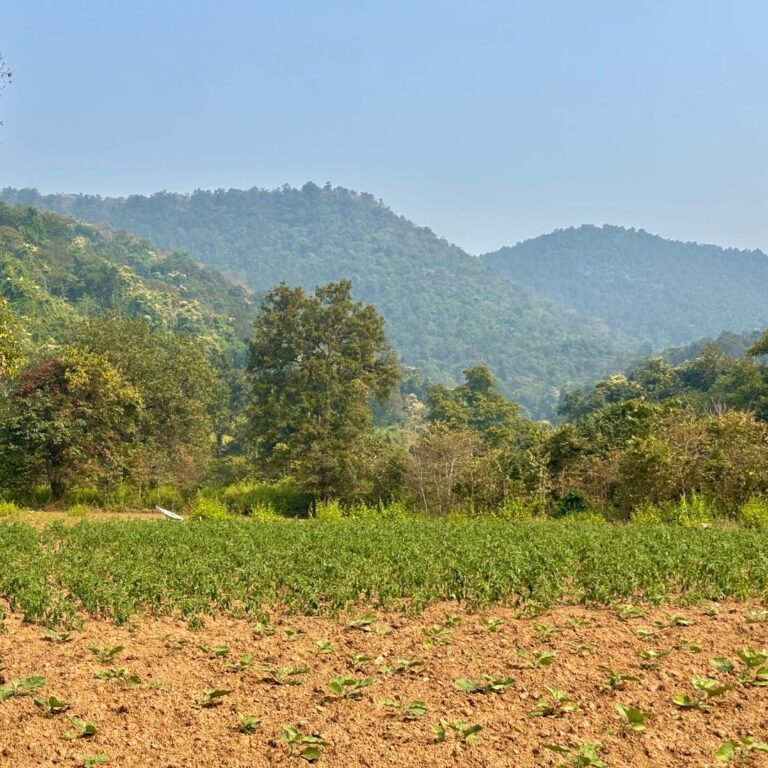
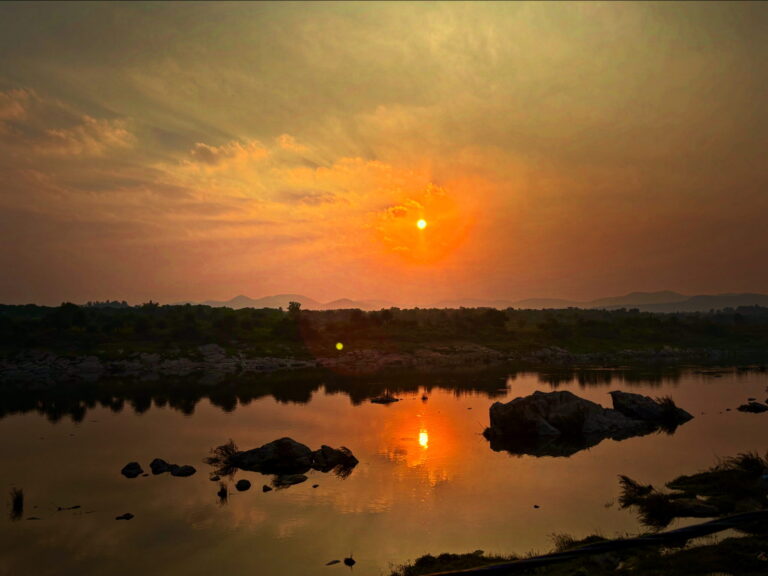
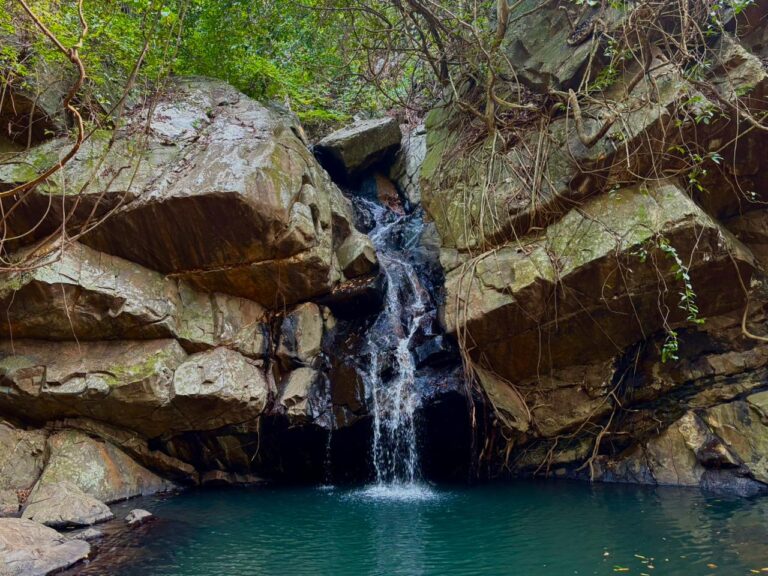
Brief Description of the Event: The Department of Bengali organised a four-day Nature’s Camp at Ghatshila, allowing students to explore the region’s ecological richness and its deep resonance in Bengali literature. Visits to the Subarnarekha River, Dharagiri Falls, Burudi Lake, Galudi, and forested areas around Raat Mohona helped students connect these landscapes with their depictions in various literary texts.
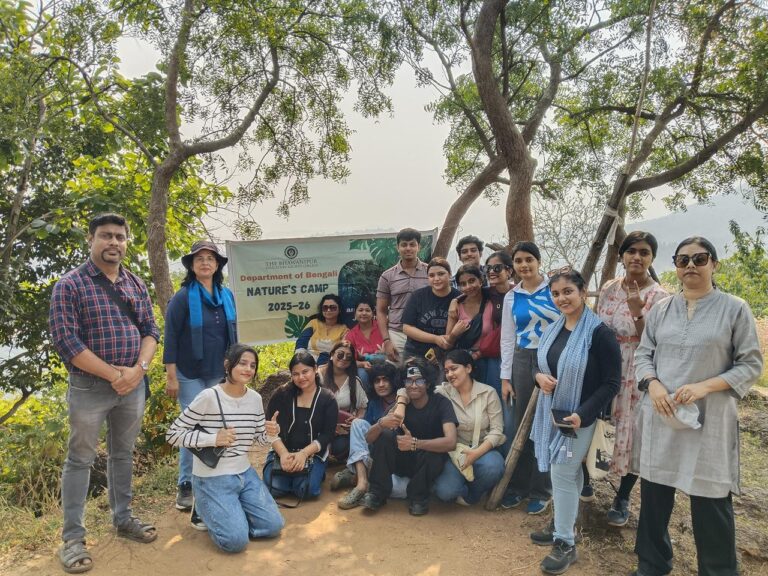
A trek to Sidhyeswar Hilltop enabled participants to study the ancient formations of quartzite, phyllite, and granite, observing how such terrain influences vegetation, climate, and human settlement—elements often reflected in eco-literary narratives. Interaction with local tribal communities further highlighted how culture, environment, and storytelling remain closely intertwined in the Chhotanagpur region.
Outcome of the Event: Students gained environmental awareness and developed a deeper understanding of how nature influences literature. The camp helped them relate textual descriptions to real landscapes, strengthening both ecological sensitivity and literary appreciation.
Total number of students: 34 (Semester 3 and Semester 4) Total number of faculty members accompanying: 8 Destination(s): Jorasanko Thakur Bari and the Indian Museum Mode of transportation: Bus The Department of History, The Bhawanipur Education Society had organised a field trip to two museums, namely the Jorasanko Thakur Bari and the Indian Museum. The …
Durga Puja is perhaps the biggest social festival of its kind in the world. It is a time, when time itself comes to a standstill, with people across caste, creed or colour going out to celebrate. At the Bhawanipur Education Society College (BESC) however, the celebrations took a different turn, as members of the faculty …
01001000 01100101 01101100 01101100 01101111, Wondering what is written above? It’s “Hello”. Yes, it is binary language, the language of computer. Intelligence (Human) created it and intelligence (artificial) is needed to decipher it. On the 10th of January, the college had an intriguing webinar on Artificial Intelligence. Prof. Charanpreet Singh, the Director of Praxis Business …
Time: 8:00 am – 4:00 pm Venue: Keoratala Basanabala Girls High School As Brigham Young rightly said, “You educate a man; you educate a man. You educate a woman; you educate a generation.” To develop compassion in the hearts of the students and instill the importance of giving back to society, as a part of …
Nature’s Camp at Ghatshila
Name of the Activity: Nature’s Camp at Ghatshila
Type of Activity: Field-based Environmental Learning
Date/Duration of Activity (from–to): 20–23 November 2025
Time: Four-day residential camp
Details of Resource Person: Guided by four faculty members — Dr. Mili Samaddar, Dr. Kasturi Mukherjee, Dr. Uttiya Chattapadhyay, Ms. Atreyee Biswas
No. of Participants: 17 students and 4 teachers
Objective of the Event:
To expose students to natural ecosystems and geological formations while helping them understand how landscapes inspire and shape Bengali literary imagination.
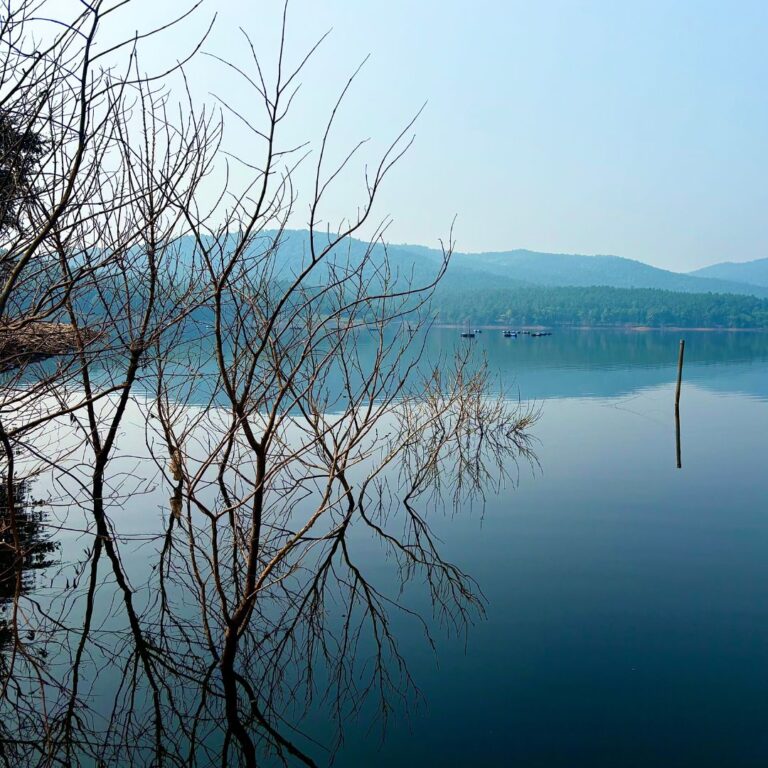
Brief Description of the Event:
The Department of Bengali organised a four-day Nature’s Camp at Ghatshila, allowing students to explore the region’s ecological richness and its deep resonance in Bengali literature. Visits to the Subarnarekha River, Dharagiri Falls, Burudi Lake, Galudi, and forested areas around Raat Mohona helped students connect these landscapes with their depictions in various literary texts.
A trek to Sidhyeswar Hilltop enabled participants to study the ancient formations of quartzite, phyllite, and granite, observing how such terrain influences vegetation, climate, and human settlement—elements often reflected in eco-literary narratives. Interaction with local tribal communities further highlighted how culture, environment, and storytelling remain closely intertwined in the Chhotanagpur region.
Outcome of the Event:
Students gained environmental awareness and developed a deeper understanding of how nature influences literature. The camp helped them relate textual descriptions to real landscapes, strengthening both ecological sensitivity and literary appreciation.
Related Posts
Departmental Field Trip to the Jorsanko Thakur Bari and the Indian Museum
Total number of students: 34 (Semester 3 and Semester 4) Total number of faculty members accompanying: 8 Destination(s): Jorasanko Thakur Bari and the Indian Museum Mode of transportation: Bus The Department of History, The Bhawanipur Education Society had organised a field trip to two museums, namely the Jorasanko Thakur Bari and the Indian Museum. The …
Sharodiyo Shiksha @ BESC
Durga Puja is perhaps the biggest social festival of its kind in the world. It is a time, when time itself comes to a standstill, with people across caste, creed or colour going out to celebrate. At the Bhawanipur Education Society College (BESC) however, the celebrations took a different turn, as members of the faculty …
Webinar on Artificial Intelligence
01001000 01100101 01101100 01101100 01101111, Wondering what is written above? It’s “Hello”. Yes, it is binary language, the language of computer. Intelligence (Human) created it and intelligence (artificial) is needed to decipher it. On the 10th of January, the college had an intriguing webinar on Artificial Intelligence. Prof. Charanpreet Singh, the Director of Praxis Business …
Vama
Time: 8:00 am – 4:00 pm Venue: Keoratala Basanabala Girls High School As Brigham Young rightly said, “You educate a man; you educate a man. You educate a woman; you educate a generation.” To develop compassion in the hearts of the students and instill the importance of giving back to society, as a part of …